


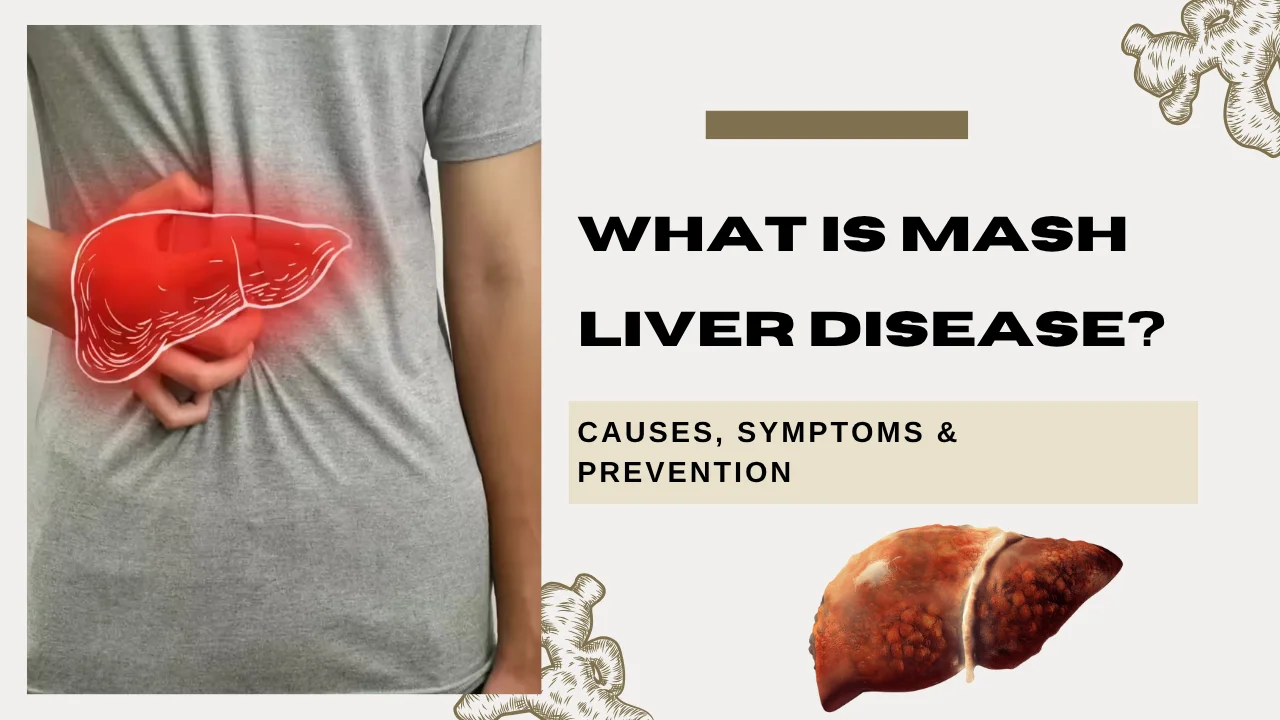
MASH Liver Disease, also known as Metabolic dysfunction-Associated SteatoHepatitis, is a growing health concern that affects millions of people worldwide. It occurs when excess fat builds up in the liver, leading to inflammation and damage to liver cells. Unlike liver problems caused by alcohol, MASH Liver Disease is linked to poor metabolism, obesity, diabetes, and unhealthy lifestyle habits.
Over time, it can progress to serious conditions like liver fibrosis, cirrhosis, or even liver failure if not managed properly. Many people don’t realize they have MASH until the liver is already damaged, making early awareness extremely important. Understanding the causes, symptoms, and prevention of MASH Liver Disease can help protect your liver and overall health. By making small but consistent lifestyle changes, you can reduce the risk and keep your liver functioning at its best for years to come.
What is MASH Liver Disease?
MASH Liver Disease, short for Metabolic dysfunction-Associated SteatoHepatitis, is a serious form of fatty liver disease that develops when too much fat builds up in the liver and causes inflammation. This condition is not caused by alcohol but is closely linked to metabolic problems such as obesity, insulin resistance, high blood sugar, and high cholesterol. Over time, the continuous fat accumulation and inflammation can damage liver cells, leading to scarring (fibrosis) and potentially cirrhosis if left untreated.
In simple terms, MASH Liver Disease is the advanced stage of metabolic fatty liver, where the liver struggles to process fat effectively. When this happens, the liver becomes swollen and inflamed, which can affect its ability to filter toxins and regulate vital functions in the body. People with MASH Liver Disease may not show clear symptoms at first, which makes it difficult to detect early. However, as the condition progresses, fatigue, abdominal pain, and unexplained weight changes may appear.
Recognizing MASH Liver Disease early is essential because lifestyle modifications such as maintaining a healthy diet, exercising regularly, and controlling blood sugar levels can help slow or reverse its progression. By understanding what MASH is and taking proactive steps toward better liver health, individuals can protect themselves from long-term complications and maintain a healthy, functioning liver.
Main Causes of MASH Liver Disease
MASH Liver Disease is primarily caused by a combination of metabolic and lifestyle factors that lead to excess fat buildup and inflammation in the liver. Understanding these causes is crucial to prevent the progression of this serious liver condition. Below are the main reasons behind the development of MASH Liver Disease:
- Poor Diet and Unhealthy Eating Habits
Consuming high-fat, high-sugar, and processed foods increases fat accumulation in the liver. Diets rich in junk food, fried items, and sugary drinks contribute to liver inflammation and weight gain, both major triggers of MASH Liver Disease. - Obesity and Overweight Issues
Being overweight is one of the biggest risk factors for MASH Liver Disease. Excess body fat, especially around the abdomen, increases insulin resistance and promotes fat buildup in the liver. - Insulin Resistance and Type 2 Diabetes
People with diabetes or insulin resistance are more prone to develop MASH Liver Disease. When the body cannot properly process glucose, it leads to fat accumulation and inflammation within the liver. - High Cholesterol and Triglyceride Levels
Elevated cholesterol and triglyceride levels can harm liver function over time. This imbalance causes fatty deposits that can progress into MASH Liver Disease if not managed through diet or medication. - Sedentary Lifestyle
Lack of physical activity slows metabolism, making it easier for fat to accumulate in the liver. Regular exercise helps improve insulin sensitivity and supports overall liver health. - Genetic and Hormonal Factors
Genetic predisposition and hormonal imbalances can also increase the risk of developing MASH Liver Disease. Family history of liver disorders or metabolic issues may make some individuals more susceptible.
Common Symptoms of MASH Liver Disease
MASH Liver Disease often develops silently, with little to no symptoms in its early stages. Many people are unaware that fat and inflammation are damaging their liver until the condition becomes more advanced. Recognizing the signs early can help prevent serious complications and protect long-term liver health. Below are the most common symptoms linked to MASH Liver Disease:
Persistent Fatigue and Weakness
Feeling tired all the time, even after proper rest, is one of the earliest signs of MASH Liver Disease. The liver plays a vital role in energy production, and when it becomes inflamed, energy levels drop significantly.
Abdominal Pain or Discomfort: Many people with MASH Liver Disease experience a dull pain or tightness in the upper right side of the abdomen. This occurs because of liver swelling or inflammation caused by excess fat buildup.
Unexplained Weight Loss or Appetite Changes: Sudden weight loss without dieting or a noticeable decrease in appetite can indicate liver issues. These changes occur when the liver’s function is disrupted due to MASH Liver Disease.
Swollen Abdomen or Enlarged Liver: As the disease progresses, fluid may accumulate in the abdomen, causing bloating and discomfort. This is a common sign of worsening MASH Liver Disease and should not be ignored.
General Weakness and Poor Concentration: When the liver cannot properly filter toxins, it can affect mental clarity and overall focus. People with MASH Liver Disease often report brain fog or low energy levels.
How MASH Affects Liver Health
MASH Liver Disease can have a serious impact on liver health, especially when left undiagnosed or untreated. The liver is one of the body’s most important organs—it filters toxins, processes nutrients, and supports metabolism. When MASH Liver Disease develops, these vital functions start to weaken due to continuous fat buildup and inflammation. Over time, this can lead to severe liver damage. Let’s understand how MASH Liver Disease affects liver health in different ways:
- Causes Chronic Inflammation in the Liver: The main problem with MASH Liver Disease is ongoing inflammation. As fat accumulates, liver cells become irritated and swollen. This chronic inflammation damages healthy tissues and reduces the liver’s ability to perform essential tasks like detoxification and energy production.
- Leads to Liver Cell Damage and Scarring (Fibrosis): When inflammation persists, it starts destroying liver cells, causing scar tissue to form—a condition known as fibrosis. This scarring limits blood flow within the liver and gradually replaces healthy tissue, weakening overall liver performance.
- Increases Risk of Cirrhosis and Liver Failure: If MASH Liver Disease continues unchecked, fibrosis can progress to cirrhosis, a severe and irreversible stage where the liver becomes hardened and loses most of its function. This can ultimately lead to liver failure, a life-threatening condition.
- Disrupts Metabolic Balance: The liver plays a major role in regulating blood sugar, cholesterol, and fat metabolism. With MASH Liver Disease, these processes become imbalanced, often worsening conditions like diabetes and obesity.
Diagnosis and Medical Evaluation
Diagnosing MASH Liver Disease requires careful medical evaluation because its symptoms are often mild or mistaken for other health issues. Early detection plays a key role in preventing long-term liver damage. Doctors use several tests and assessments to identify MASH Liver Disease, evaluate its severity, and plan proper treatment. Below are the most common methods used in diagnosis and medical evaluation:
- Blood Tests for Liver Enzymes
The first step in diagnosing MASH Liver Disease often involves simple blood tests. Elevated levels of liver enzymes such as ALT (alanine transaminase) and AST (aspartate transaminase) can indicate inflammation or liver injury. These tests help doctors detect early signs of liver stress. - Imaging Tests (Ultrasound, MRI, or FibroScan)
Imaging techniques allow doctors to see fat buildup and inflammation in the liver. Ultrasound is commonly used for initial screening, while MRI or FibroScan provides a clearer picture of liver stiffness and fat levels, helping confirm the presence of MASH Liver Disease. - Liver Biopsy for Accurate Diagnosis
A liver biopsy is the most reliable test to confirm MASH Liver Disease. During this procedure, a small tissue sample is taken from the liver to examine under a microscope. This helps doctors determine the extent of inflammation, fat accumulation, and scarring (fibrosis). - Comprehensive Health Evaluation
Doctors also assess related conditions like diabetes, high cholesterol, and obesity. These factors play a major role in the development and progression of MASH Liver Disease, making full-body evaluation essential for effective management.
Treatment Options for MASH
Treating MASH Liver Disease focuses on reducing liver fat, controlling inflammation, and improving overall metabolic health. Since there is no single medication that completely cures MASH, lifestyle changes and medical guidance are essential for managing the condition and preventing complications. Below are the most effective treatment options for MASH Liver Disease:
- Healthy Diet and Balanced Nutrition
A nutritious, low-fat, and low-sugar diet plays a vital role in controlling MASH Liver Disease. Eating more fruits, vegetables, whole grains, and lean proteins helps reduce liver fat and inflammation. Avoiding processed foods, sugary drinks, and alcohol can further protect liver health. - Regular Physical Activity
Exercise helps burn excess fat and improves insulin sensitivity. People with MASH Liver Disease are advised to engage in at least 30 minutes of moderate activity, such as brisk walking, cycling, or swimming, most days of the week to support healthy liver function. - Weight Management
Losing even 5–10% of body weight can significantly improve liver fat levels and reduce inflammation. Maintaining a healthy weight through a proper diet and exercise routine is one of the best natural treatments for MASH Liver Disease. - Controlling Blood Sugar and Cholesterol
Managing diabetes and high cholesterol is crucial for slowing the progression of MASH Liver Disease. Doctors may prescribe medications or suggest dietary changes to balance blood sugar and lipid levels effectively. - Medical Supervision and New Therapies
In advanced cases, doctors might recommend specific medications or ongoing clinical treatments that target liver inflammation and fibrosis. Regular follow-ups ensure that the liver’s condition is monitored and managed properly.
Making long-term lifestyle improvements, along with medical support, can help slow, stop, or even reverse the effects of MASH Liver Disease, allowing individuals to restore liver health and maintain overall well-being.
Prevention Tips for MASH Liver Disease
Preventing MASH Liver Disease is possible with smart lifestyle choices and consistent healthy habits. Since this condition is mainly linked to poor metabolism, obesity, and unhealthy routines, adopting preventive measures can protect your liver and overall health. Here are the most effective prevention tips for MASH Liver Disease that everyone should follow:
- Maintain a Healthy and Balanced Diet
Eating nutritious foods is the foundation of liver health. Choose meals rich in vegetables, fruits, whole grains, and lean proteins while avoiding fried, processed, and sugary foods. A balanced diet helps reduce fat buildup in the liver and lowers the risk of developing MASH Liver Disease. - Exercise Regularly
Staying physically active supports better metabolism and weight control. Aim for at least 30 minutes of daily exercise, such as walking, swimming, or yoga. Regular movement helps burn excess fat and keeps the liver strong and functional. - Manage Blood Sugar and Cholesterol Levels
High blood sugar and cholesterol are major risk factors for MASH Liver Disease. Regular health checkups, along with proper diet and medical advice, can help maintain healthy glucose and lipid levels. - Limit Alcohol and Unhealthy Beverages
Although MASH Liver Disease is not caused by alcohol, excessive drinking can worsen liver damage. It’s best to avoid alcohol, sugary sodas, and energy drinks to support long-term liver health. - Maintain a Healthy Weight
Achieving and maintaining a healthy body weight is key to preventing MASH Liver Disease. Even small reductions in weight can significantly lower liver fat and improve metabolic balance. - Schedule Regular Health Checkups
Routine liver function tests and screenings help detect early signs of MASH Liver Disease. Early intervention allows you to take the right steps before serious damage occurs.
By following these simple but powerful lifestyle habits, you can effectively prevent MASH Liver Disease and ensure your liver remains healthy, strong, and active for years to come.
Conclusion: Protecting Your Liver from MASH Liver Disease
In conclusion, MASH Liver Disease is a serious yet preventable condition that affects millions of people worldwide. It develops when excess fat and inflammation damage the liver over time, often due to unhealthy lifestyle habits, poor diet, obesity, or metabolic issues. The biggest challenge with MASH Liver Disease is that it usually shows little to no symptoms in its early stages, making regular checkups and early detection extremely important.
Maintaining a healthy lifestyle is the most effective way to prevent and manage this condition. Eating a balanced diet, staying physically active, controlling blood sugar and cholesterol, and maintaining a healthy weight all contribute to better liver function. People who are at higher risk should monitor their liver health closely and seek medical guidance to prevent further damage.
With timely awareness and proper care, MASH Liver Disease can often be slowed down or even reversed before it causes permanent harm. Your liver is a vital organ that supports digestion, detoxification, and metabolism—taking care of it should be a top priority. By adopting smart lifestyle changes today, you can protect yourself from the dangers of MASH Liver Disease and enjoy a healthier, more energetic future. Small, consistent steps toward better health can make a big difference in preserving your liver’s strength and overall well-being.
