


Wearable Health Equipment has become essential in 2026 for people prioritizing wellness, balance, and long-term health. Real-time heart rate tracking is no longer reserved for athletes—it now supports daily fitness, recovery, and stress management. These smart devices help users understand their bodies better while encouraging healthier routines and a mindful Digital Detox from constant guesswork.
Wearable Health Equipment with accurate heart rate monitoring enables better insights into calorie burn, workout intensity, sleep quality, and recovery patterns. Many modern trackers can detect irregular heart rhythms and send early health alerts. By using data-driven insights, users can reduce burnout, make informed decisions, and practice a smarter Digital Detox without obsessively checking multiple screens.
Choosing the right wearable health equipment involves evaluating accuracy, comfort, battery life, and ease of use. With so many options available, this guide highlights reliable devices for everyday wellness. Investing in the right wearable supports long-term health goals, builds confidence, and promotes a sustainable Digital Detox lifestyle.
What to Look for in a Heart Rate Tracking Wearable
Before we dive into specific devices, it’s important to understand what makes a wearable great for heart rate monitoring:
Accuracy: When selecting a device, measurement accuracy should be a top priority. High-quality sensors such as PPG (photoplethysmography) and ECG (electrocardiography) ensure precise heart rate data across different activity levels. While chest straps remain the clinical gold standard, modern wrist-based wearable health equipment has significantly improved and now delivers near-medical accuracy. Choosing reliable wearable health equipment ensures consistent, trustworthy cardiovascular insights.
Comfort: All-day usability depends heavily on design and fit. A well-designed wearable health equipment should feel lightweight, breathable, and secure without causing pressure or irritation during extended wear. Whether during workouts, sleep, or daily tasks, comfortable wearable health equipment encourages continuous monitoring and better long-term health tracking.
Battery Life: Extended battery performance is essential for uninterrupted monitoring. High-quality wearable health equipment should support multi-day usage, allowing continuous heart rate tracking, sleep analysis, and activity monitoring without frequent charging. Reliable wearable health equipment ensures convenience and consistency for users focused on 24/7 health insights.
Extra Features: Beyond heart rate tracking, advanced wearable health equipment often includes sleep analysis, stress detection, blood oxygen saturation (SpO₂), VO₂ max, and detailed activity tracking. These integrated tools make wearable health equipment more valuable by offering a complete view of overall health and fitness progress.
App Ecosystem: The companion application plays a crucial role in interpreting health data. Effective wearable health equipment is supported by intuitive apps that display trends, generate reports, and help set personalized goals. A strong app ecosystem enhances the usefulness of wearable health equipment by turning raw data into actionable wellness insights.
Top Wearable Health Equipment for Heart Rate Tracking in 2026
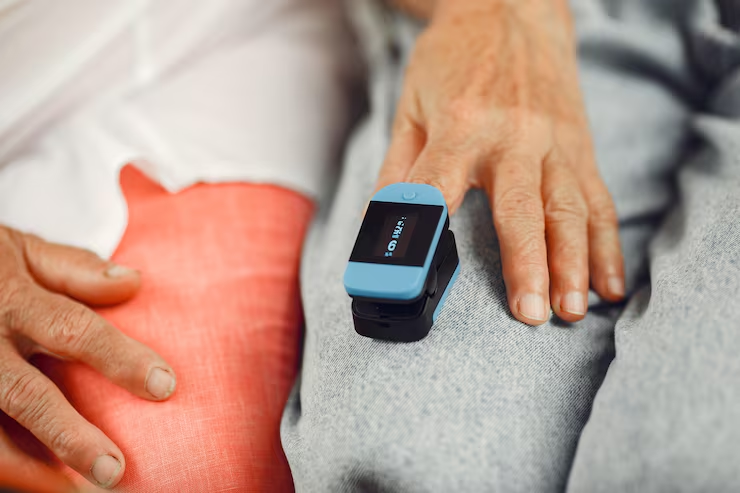
Here’s a detailed look at some of the best devices available in 2026, catering to different needs and budgets.
1. WHOOP 5.0 Peak Health and Fitness Tracker – Best for Athletes
The WHOOP 5.0 is a premium wearable designed for serious athletes. Unlike traditional smartwatches, WHOOP focuses solely on delivering accurate biometric insights, including continuous heart rate tracking, heart rate variability (HRV), and recovery scores.
Key Features:
- 24/7 continuous heart rate monitoring
- Advanced strain and recovery tracking
- Minimalist, screen-free design for uninterrupted use
- Personalized coaching based on metrics
Why It’s Ideal: If your priority is performance optimization, recovery management, and elite fitness tracking, WHOOP 5.0 is unmatched.
2. Polar Verity Sense – Best for Precision
For those who prioritize accuracy, Polar Verity Sense is a chest-strap style heart rate monitor that delivers near-clinical precision. It is particularly reliable during high-intensity workouts, outperforming most wrist-based wearables.
Key Features:
- Exceptional real-time heart rate accuracy
- Can connect to multiple devices like smartphones or fitness machines
- Lightweight and comfortable for prolonged use
- Suitable for running, cycling, and interval training
Why It’s Ideal: Polar Verity Sense is perfect for athletes and fitness enthusiasts who need precise metrics for performance and training.
3. Mi Watch Revolve – Best Budget Smartwatch
Mi Watch Revolve balances affordability and functionality, offering continuous heart rate monitoring, sleep tracking, and fitness tracking at a reasonable price.
Key Features:
- 24/7 heart rate monitoring
- VO2 max and stress level monitoring
- Long battery life and AMOLED display
- Fitness tracking for multiple sports
Why It’s Ideal: Beginners and casual fitness enthusiasts can track their heart rate and health trends daily without overspending.
4. Boat Smart Ring Active Plus – Discreet and Stylish
The Boat Smart Ring Active Plus is perfect for people who prefer compact and subtle devices. Worn on the finger, it offers continuous heart rate tracking, sleep monitoring, and basic wellness analytics.
Key Features:
- Sleek and discreet design
- Lightweight and comfortable for all-day wear
- Tracks heart rate, sleep, and activity
- Ideal for everyday wellness monitoring
Why It’s Ideal: If you want minimalist design without compromising heart tracking, smart rings are a futuristic option.
5. Garmin HRM 200 – Dedicated Heart Rate Strap
Garmin HRM 200 is a professional-grade heart rate monitor strap offering accurate readings for intense workouts. It pairs with smartphones and fitness devices to provide real-time heart rate, calories burned, and other metrics.
Key Features:
- High precision during running, cycling, and gym workouts
- Compatible with multiple fitness apps
- Comfortable strap design
- Ideal for serious training sessions
Why It’s Ideal: For those who prioritize accuracy during workouts and want precise heart rate data, Garmin HRM 200 is a top choice.
6. Pebble Advanced Health Tracking Band – Affordable Everyday Tracker
Pebble offers budget-friendly heart rate tracking without sacrificing basic features. It monitors heart rate, activity levels, sleep, and calories burned.
Key Features:
- Continuous heart rate monitoring
- Activity and sleep tracking
- Affordable for all users
- Simple interface and easy to use
Why It’s Ideal: If you want reliable heart tracking at an entry-level price, this band is perfect.
Understanding Heart Rate Metrics
Modern wearables don’t just track your beats per minute (BPM). Here are some important metrics you can monitor:
1. Resting Heart Rate
- Indicates overall fitness
- Lower resting heart rate typically signals better cardiovascular health
2. Heart Rate Variability (HRV)
- Measures how your heart responds to stress and recovery
- Lower HRV can indicate fatigue, stress, or overtraining
3. Heart Rate Zones
- Helps you train efficiently: fat burn, cardio, or peak zones
- Ensures workouts are safe and effective
4. Recovery and Stress Scores
- Combines heart rate and other metrics to assess readiness
- Helps optimize workouts and avoid burnout
How Heart Rate Tracking Works
Optical Sensors (PPG)
Most wrist wearables use PPG sensors, which shine light through the skin to measure blood flow. These sensors allow continuous heart rate tracking throughout the day.
Pros: Comfortable, all-day tracking
Cons: Slightly less accurate during high-intensity exercise compared to chest straps
Chest Straps and ECG Sensors
Chest straps use ECG technology to deliver precise heart rate readings, especially during workouts.
Pros: Extremely accurate
Cons: Less convenient for all-day wear
Smart Rings
Smart rings use advanced sensors to detect heart rate from the finger, combining comfort with discrete monitoring.
Pros: Lightweight, subtle, continuous tracking
Cons: May not be as precise as chest straps during heavy workouts
Choosing the Right Wearable
| User Type | Recommended Device |
|---|---|
| Athletes / High-Performance Training | WHOOP 5.0 Peak |
| Fitness Enthusiasts | Polar Verity Sense / Garmin HRM 200 |
| Everyday Wellness | Boat Smart Ring / Pebble Band |
| Budget-Friendly Option | Mi Watch Revolve |
Tips for Accurate Heart Rate Tracking
- Wear your device snugly on your wrist or chest
- Sync with the companion app to track trends
- Wear it during sleep and workouts for complete data
- Keep firmware updated for accurate readings
Remember, accuracy can vary based on sensor type, activity intensity, and device placement. Chest straps remain the gold standard for precise readings during intense workouts.
Final Thoughts
Heart rate tracking in 2026 plays a vital role in modern fitness, wellness, and preventive healthcare. Advanced smart wearables now combine precision sensors with AI-driven analytics to deliver real-time insights into cardiovascular health. From premium performance bands to budget-friendly smartwatches, wearable health equipment helps users monitor daily activity, manage stress, and track recovery with confidence.
Today’s heart rate trackers are built to suit diverse lifestyles and budgets. High-end models offer detailed performance metrics for athletes, while affordable options support everyday wellness and long-term health awareness. Factors such as comfort, accuracy, battery life, and easy-to-read data are essential when selecting reliable wearable health equipment for consistent monitoring.
Using heart rate data effectively leads to smarter workouts, improved sleep quality, and healthier daily habits. Continuous tracking encourages proactive health decisions without medical complexity. As technology advances, wearable health equipment continues to be an accessible and practical solution for improving overall well-being through data-driven insights.
