


The world of finance is fast-paced, interconnected, and constantly evolving. Among the most dynamic sectors is the Forex market, which plays a crucial role in global trade and investment. Understanding Forex & International Market Trends is essential for traders, investors, and anyone seeking to protect and grow their wealth in today’s unpredictable economic environment.
Several factors influence Forex and international markets, including geopolitical events, economic indicators, central bank policies, and global trade developments. Monitoring these variables helps investors make informed decisions and anticipate market movements. Staying updated with the latest Forex & International Market Trends ensures better risk management and improved opportunities for profitable trades.
For traders and investors, practical strategies such as technical analysis, diversification, and disciplined risk management are key to success. By combining market knowledge with real-time insights, you can navigate the complexities of Forex trading effectively and stay ahead in the competitive global financial landscape.
What is Forex Trading?
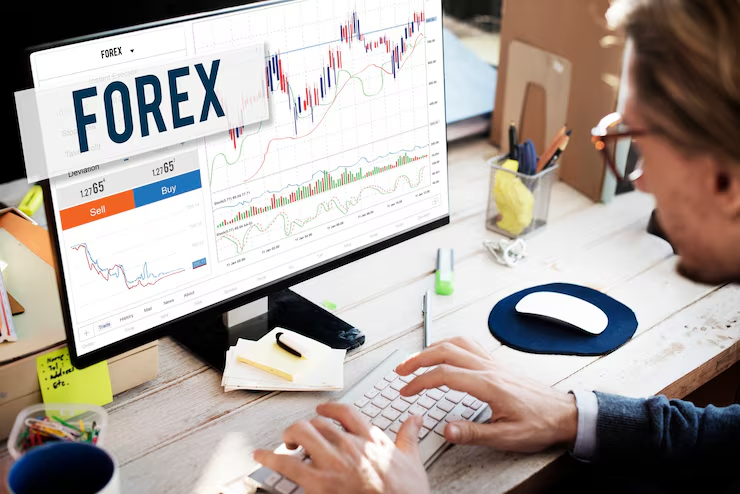
The foreign exchange market, also known as Forex or FX, is the world’s largest and most liquid financial market, with an average daily trading volume exceeding $7 trillion. Unlike traditional stock markets, Forex has no central exchange and operates 24 hours a day across major financial hubs, including London, New York, Tokyo, and Sydney. Staying informed about Forex & International Market Trends is crucial for traders and investors seeking to make profitable decisions.
Forex trading involves simultaneously buying one currency and selling another. These currencies are quoted in pairs, such as EUR/USD, GBP/JPY, or USD/JPY. The first currency is called the “base currency,” while the second is the “quote currency.” Understanding these basics is essential for navigating the global Forex market effectively.
Monitoring International Market Trends helps traders anticipate market movements and manage risks efficiently. By combining analysis with strategy, investors can maximize returns in this fast-paced market.
Example:
If the EUR/USD pair is trading at 1.1200, it means 1 Euro equals 1.12 US Dollars.
Forex trading attracts institutional investors, banks, hedge funds, and retail traders due to its high liquidity, leverage options, and opportunities for profit in both rising and falling markets.
Key Drivers of Forex & International Market Trends
To navigate international markets effectively, traders must understand the factors that influence currency values and global asset prices. Some of the most significant drivers include:
1. Economic Indicators
Economic reports provide insight into a country’s financial health and can trigger large market movements. Key indicators include:
- Gross Domestic Product (GDP): Measures the total economic output. Higher GDP growth often strengthens a country’s currency.
- Employment Data: Unemployment rates and job creation numbers can influence central bank policy and currency strength.
- Inflation Rates: High inflation often prompts interest rate hikes, attracting investors to that currency.
- Trade Balance: Exports and imports affect supply and demand for a currency in the global market.
2. Central Bank Policies
Central banks, such as the Federal Reserve (US), European Central Bank (ECB), or Bank of Japan (BoJ), play a crucial role in shaping Forex trends. Interest rate changes, quantitative easing programs, and monetary policy statements can cause sharp movements in currencies and international markets.
3. Geopolitical Events
Political stability and global relations impact market confidence. Wars, elections, sanctions, and trade agreements can trigger volatility in Forex and stock markets. For example, trade tensions between the US and China have historically caused fluctuations in USD/CNY and global equity markets.
4. Market Sentiment & Risk Appetite
Market psychology significantly drives Forex trends. In times of uncertainty, investors often flock to “safe-haven” currencies like the US Dollar (USD), Japanese Yen (JPY), or Swiss Franc (CHF). Conversely, in periods of optimism, riskier assets like emerging market currencies, equities, or commodities tend to rise.
5. Global Commodities Prices
Currencies of commodity-exporting nations, such as the Australian Dollar (AUD) or Canadian Dollar (CAD), are influenced by commodity prices like oil, gold, and iron ore. For instance, a surge in oil prices often strengthens the CAD due to Canada’s status as a major oil exporter.
Current Forex & International Market Trends
Understanding recent trends is crucial for making informed trading and investment decisions. Here’s a snapshot of key movements in 2026:
1. US Dollar Strengthening Amid Economic Recovery: The US Dollar (USD) has demonstrated remarkable strength recently, fueled by strong economic growth and rising interest rates implemented by the Federal Reserve. This dollar appreciation affects global trade, commodity prices, and emerging market currencies. Traders are carefully watching major USD pairs, such as EUR/USD and USD/JPY, to capitalize on short-term market movements. Staying informed about International Market Trends helps investors and traders anticipate market shifts and make strategic decisions.
2. Eurozone Economic Challenges: The Euro (EUR) is under pressure due to slower economic growth, uncertainties in energy supply, and ongoing political developments across the region. Investors closely monitor the European Central Bank’s (ECB) monetary policy and inflation trends, which can significantly influence EUR movements. Understanding Forex & International Market Trends in the Eurozone is crucial for navigating potential risks and identifying profitable trading opportunities.
3. Volatility in Asian and Emerging Market Currencies: Emerging markets such as India, Indonesia, and Brazil are experiencing increased currency volatility driven by global interest rate changes and geopolitical uncertainties. Pairs like USD/INR, USD/BRL, and others have shown significant fluctuations, presenting both opportunities and risks for Forex traders. Awareness of Forex & International Market Trends in these markets allows traders to better manage risk and maximize potential returns.
4. Cryptocurrency Influence on Forex Sentiment: Although digital assets like Bitcoin and Ethereum are not directly part of the traditional Forex market, they play a growing role in shaping market sentiment. Cryptocurrencies act as alternative investments, influencing liquidity, risk appetite, and volatility across global financial markets. By monitoring both traditional currencies and digital assets, traders can gain deeper insights into overall Forex & International Market Trends.
Effective Strategies for Forex Trading
While Forex trading offers enormous potential, it requires skill, discipline, and a strategic approach. Here are some proven strategies:
1. Technical Analysis
Technical analysis involves studying historical price charts to identify patterns, trends, and potential price reversals. Common tools include:
- Support and Resistance Levels – Identify price points where currency pairs may reverse.
- Moving Averages – Track trends over time to spot buying or selling opportunities.
- Indicators – RSI, MACD, and Bollinger Bands help measure momentum and market volatility.
2. Fundamental Analysis
This strategy focuses on macroeconomic and political events that influence currency values. Traders track central bank announcements, GDP releases, employment reports, and geopolitical developments.
3. Risk Management
Risk management is vital for long-term profitability. Techniques include:
- Stop-Loss Orders – Automatically exit trades at predefined loss levels.
- Position Sizing – Adjusting trade size based on account balance and risk tolerance.
- Diversification – Spreading investments across multiple currencies and assets to reduce exposure.
4. Automated & Algorithmic Trading
Advanced traders use automated systems or algorithms to execute trades based on pre-defined strategies. These systems can react faster than human traders and minimize emotional biases.
How to Stay Updated on Forex & International Market Trends
Keeping up with global financial news is crucial for success in Forex and international markets. Some effective methods include:
- Financial News Websites: Bloomberg, Reuters, CNBC, and Financial Times.
- Economic Calendars: Track upcoming economic releases and central bank announcements.
- Social Trading Platforms: Learn from expert traders and market analysts.
- Market Reports and Analysis: Many brokers provide daily or weekly Forex insights.
The Future of Forex & International Markets
The financial landscape continues to evolve rapidly. Key trends to watch in 2026 and beyond include:
- Digital Currencies & Central Bank Digital Currencies (CBDCs)
Governments worldwide are exploring digital currencies, which could reshape Forex markets and global payment systems. - AI & Machine Learning in Trading
Artificial intelligence is transforming Forex analysis, enabling predictive modeling and automated trading strategies. - Sustainable Investing & ESG Trends
Environmental, social, and governance (ESG) factors are increasingly influencing investor decisions, affecting commodity and currency markets. - Global Geopolitical Dynamics
Trade policies, international conflicts, and economic alliances will continue to drive currency and market volatility.
Conclusion
Forex trading and international market trends are intricate but highly rewarding areas of finance. Success in these markets requires understanding the key drivers, including economic indicators, central bank policies, geopolitical developments, and overall market sentiment. By keeping a close eye on Forex International Market Trends, traders and investors can make informed decisions that maximize potential returns while managing risk effectively.
Both beginners and seasoned investors benefit from disciplined trading, continuous learning, and adapting to the ever-changing global economic landscape. Leveraging advanced trading tools, staying updated with real-time data, and following current Forex & International Market Trends are essential steps to remain competitive and identify profitable opportunities in this fast-moving environment.
With the right knowledge, strategies, and technology, you can confidently navigate Forex and international markets. Monitoring fluctuations, analyzing trends, and understanding global economic forces allow traders to turn market volatility into strategic advantage, staying ahead in the dynamic world of Forex & International Market Trends.
