


The metaverse in 2026 has evolved from a futuristic concept into a fully immersive, intelligent digital ecosystem where people can socialize, work, learn, shop, and play in ways never imagined before. At the center of this transformation is Artificial Intelligence, which has grown beyond automation to become the driving force behind dynamic, responsive, and realistic virtual experiences. The rise of the AI powered metaverse 2026 is redefining how users interact with digital worlds, making every interaction feel natural and personalized.
From lifelike avatars to adaptive environments, AI ensures that virtual spaces are intelligent, engaging, and continuously evolving. Users can explore vibrant worlds, attend events, or collaborate in virtual offices, all powered by AI systems that adapt to their preferences in real time. The AI powered metaverse 2026 creates immersive experiences that are as emotionally and socially engaging as real life.
For businesses, education, and entertainment, the AI powered metaverse 2026 opens endless opportunities. Brands can design interactive experiences, educators can offer personalized learning, and creators can monetize virtual goods. This fusion of AI and the metaverse is not just a trend — it’s the foundation of the next digital revolution, driving engagement, innovation, and growth in the online world.
Understanding the Metaverse in 2026
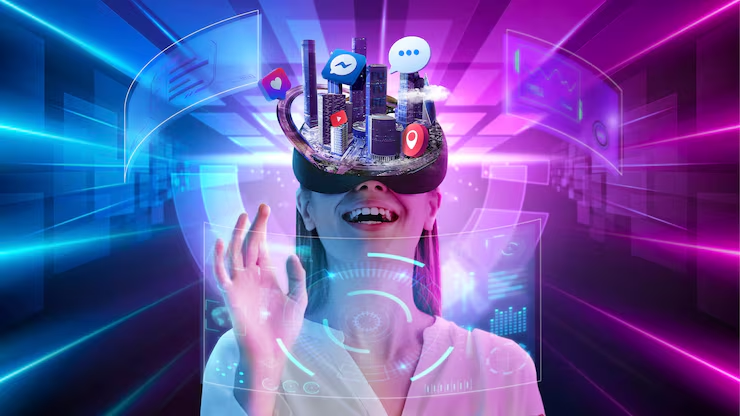
The metaverse in 2026 is a fully interconnected virtual universe that blends augmented reality (AR), virtual reality (VR), 3D spaces, social media, and digital marketplaces. Unlike traditional online platforms, it is interactive, social, and continuously evolving. Users can move seamlessly between virtual worlds, engage with AI-driven avatars, attend live events, and even conduct business transactions, creating a digital experience that feels immersive and real.
At the core of this transformation is Artificial Intelligence, which powers the intelligence, adaptability, and scalability of these virtual environments. The AI powered metaverse 2026 enables personalized interactions, realistic avatars, and dynamic worlds that evolve based on user behavior. Without AI, the metaverse would remain static and predictable, lacking the depth and responsiveness that make it engaging and lifelike.
For users and businesses alike, the AI powered metaverse 2026 opens new opportunities for learning, socializing, entertainment, and commerce. From virtual offices to interactive marketplaces, AI ensures experiences are seamless, meaningful, and tailored to each participant, making the metaverse a thriving, intelligent digital ecosystem.
AI as the Backbone of the Metaverse
AI’s role in the metaverse goes far beyond graphics or visual effects. It powers:
- Intelligent avatars capable of emotional expression and realistic interactions.
- Adaptive environments that respond to user behavior and preferences.
- Personalized experiences in education, work, and entertainment.
- Security and moderation to ensure safe digital interactions.
- Economic and commercial systems, including virtual marketplaces and digital assets.
In 2026, AI is no longer an optional feature of the metaverse; it is the foundation that makes immersive, interactive, and socially meaningful experiences possible.
Creating Immersive Experiences with AI
Immersion is the hallmark of the modern metaverse, and AI makes it possible through several key technologies.
Procedural World Generation: In the AI powered metaverse 2026, procedural world generation is a game-changer. Advanced AI algorithms create dynamic, ever-evolving virtual environments that adapt to user behavior and preferences. Instead of relying on designers to manually build every landscape, building, or ecosystem, AI generates immersive worlds in real time. Mountains, forests, cities, and interactive spaces can all change based on how users explore and interact, ensuring that every visit is unique. This constant evolution keeps users engaged, encourages repeated visits, and makes the metaverse feel like a living, breathing universe.
Realistic Physics and Interactions: The AI powered metaverse 2026 brings a new level of realism to virtual worlds by simulating natural physics. Virtual objects, water, and environmental elements behave convincingly, responding to user actions with accuracy. Trees sway in the wind, rivers flow naturally, and objects collide and move realistically. These intelligent simulations create immersive environments where every action has a tangible effect, making interactions more emotionally engaging and lifelike. Users feel genuinely present, enhancing both social and entertainment experiences.
Sensory Enhancement: AI goes beyond visuals to enhance sound, motion, and tactile feedback in the AI powered metaverse 2026. Spatial audio lets users perceive sounds with directional accuracy, while AI-driven haptic simulations provide responsive touch cues. Motion algorithms make avatars move fluidly, reacting naturally to virtual interactions. Together, these technologies create multi-sensory experiences where users can see, hear, and feel the virtual world around them, making engagement deeper, more memorable, and truly immersive.
AI-Driven Avatars: Redefining Digital Identity
In 2026, AI has revolutionized avatars, transforming them from static representations into intelligent digital identities.
Lifelike Personalization: In the AI powered metaverse 2026, avatars mimic human appearance, motion, and speech. Facial recognition, voice synthesis, and emotional AI allow avatars to react naturally to user gestures and expressions, making interactions more authentic and engaging.
Intelligent NPCs and Virtual Assistants: NPCs and virtual assistants are no longer pre-programmed. In the AI powered metaverse 2026, they learn from interactions, adapt to user behavior, and provide guidance, making conversations and tasks feel dynamic, helpful, and lifelike.
These avatars enhance both social engagement and commercial opportunities, creating a vibrant, interactive metaverse economy.
Adaptive Worlds: AI Shapes Dynamic Environments
AI enables the metaverse to be alive and responsive, changing in real time based on user actions.
Smart Environments: In the AI powered metaverse 2026, virtual environments are intelligent and adaptive. AI continuously monitors user interactions and adjusts cities, landscapes, and ecosystems in real time. Architecture, lighting, and challenges change based on user behavior, while AI-driven ecosystems evolve independently, creating unique, personalized experiences for each visitor. This dynamic adaptation keeps users engaged and makes the digital world feel alive and responsive.
Dynamic Storytelling: Storytelling in the AI powered metaverse 2026 is no longer fixed. AI crafts narratives that respond to user decisions, generating branching storylines and personalized quests. Each user experiences a different journey, making entertainment, learning, and social interaction far more immersive and engaging than traditional digital platforms.
AI-Powered Social Spaces: AI enhances social interaction by tailoring chat rooms, virtual lounges, and event spaces to users’ interests, moods, and safety preferences. These smart social spaces reduce toxic behavior while encouraging meaningful connections, ensuring a safe, inclusive, and engaging community experience.
Revolutionizing Learning, Work, and Socialization
AI’s influence extends far beyond gaming and socialization; it transforms learning, work, and professional collaboration in the metaverse.
AI-Powered Education: In the AI powered metaverse 2026, virtual classrooms are transforming learning with highly personalized experiences. AI tutors continuously analyze student performance, provide real-time feedback, and adjust lessons to match each learner’s pace. Immersive simulations, interactive exercises, and experiential learning tools give students a hands-on experience that traditional classrooms cannot replicate, making education more engaging and effective.
Remote Work Revolution: AI is revolutionizing remote work within the AI powered metaverse 2026. Virtual offices allow global teams to collaborate seamlessly, with AI translating languages in real time, scheduling meetings, organizing workflows, and predicting productivity bottlenecks. Workspaces dynamically adapt to team needs, creating a more efficient, immersive, and interactive environment for professional collaboration.
Enhanced Social Interaction: AI also improves social engagement by moderating conversations, suggesting meaningful connections, and creating safer community spaces. Users enjoy interactions that feel more natural and personalized, fostering a sense of belonging and engagement within virtual worlds. This ensures the metaverse is not only interactive but also socially positive and inclusive.
AI Ensures Security and Trust
As the metaverse grows, security and moderation are critical. AI helps maintain trust and safety.
Content Moderation
In the AI powered metaverse 2026, AI plays a crucial role in maintaining safe and positive communities. Advanced algorithms scan user-generated content for harassment, hate speech, and inappropriate material. Unlike human moderators, AI can process millions of interactions simultaneously, ensuring that large virtual spaces remain secure, welcoming, and enjoyable for all users. This continuous monitoring enhances trust and encourages long-term engagement in virtual worlds.
Identity Protection
AI also safeguards user identities through biometrics, behavioral analysis, and secure authentication protocols. In the AI powered metaverse 2026, these technologies reduce the risk of fraud and protect valuable digital assets, avatars, and virtual property. Users can interact, trade, and socialize confidently, knowing their personal information and digital possessions are secure.
Preventing Digital Exploitation
AI continuously monitors economic and social interactions to detect scams, fraud, and abusive behavior. By proactively identifying threats, AI ensures a safer environment for both users and businesses, fostering trust and a thriving virtual economy in the metaverse.
Economic Impact of AI in the Metaverse
The AI-powered metaverse has become a thriving digital economy with endless opportunities.
Virtual Goods and NFTs: AI validates the authenticity of digital assets, monitors scarcity, and optimizes marketplace transactions. Virtual fashion, property, art, and collectibles are increasingly traded in AI-managed systems.
New Careers and Opportunities: AI opens doors to roles that did not exist before, including virtual architects, AI experience designers, and avatar behavior specialists. Creators and developers can monetize content and experiences in unprecedented ways.
Commercial Engagement: Brands leverage AI to create personalized, immersive campaigns in the metaverse. AI-driven analytics ensure ads and virtual experiences reach the right audience at the right time, boosting engagement and conversion rates.
Challenges and Ethical Considerations
Despite its benefits, AI in the metaverse presents challenges:
- Data Privacy: AI relies on user data to deliver personalized experiences. Protecting this data is critical for user trust.
- Bias and Fairness: AI models must be regularly audited to prevent bias, especially in global social environments.
- Digital Addiction: Highly engaging AI experiences can lead to overuse. Ethical design and responsible AI deployment are crucial to balance engagement and wellbeing.
- Regulation and Governance: Governments and organizations are working on frameworks to regulate AI and digital economies within virtual worlds.
How Businesses Can Leverage AI in the Metaverse
Businesses can harness AI in the metaverse to grow, engage, and monetize audiences effectively.
Create AI-Powered Experiences: In the AI powered metaverse 2026, companies can design fully interactive virtual spaces where AI guides users, answers questions, and enhances exploration. Brands can host virtual events, showcase immersive product demos, and provide AI-powered assistants for customer support, creating an engaging and seamless experience. This allows users to interact naturally with the environment while brands strengthen engagement and build loyalty in innovative ways.
Personalize Customer Engagement: AI in the AI powered metaverse 2026 tracks user behavior, preferences, and interactions to deliver highly personalized experiences. From tailored content and customized offers to adaptive virtual environments, AI ensures every user receives a unique experience. This personalization boosts engagement, increases dwell time, and drives higher conversion rates for brands operating in virtual marketplaces.
Monetize Effectively: AI analytics help companies optimize pricing, product placement, and promotional strategies within virtual marketplaces. Businesses can monetize digital goods, subscriptions, and virtual events while maintaining high user satisfaction. By leveraging AI-driven insights, brands can maximize revenue opportunities and ensure their offerings are consistently relevant, timely, and compelling.
Looking Ahead: The Future of AI and the Metaverse
By 2027 and beyond, AI will continue to evolve in the metaverse:
- Advanced Emotional Intelligence: AI will better understand user emotions, creating richer interactions.
- Cross-World Interoperability: Users will move seamlessly between multiple AI-driven virtual environments.
- Enhanced Haptics and Sensory Feedback: Physical sensations and immersion will become even more realistic.
- Global Adoption: AI-powered metaverse experiences will reach billions of users worldwide.
- Ethical AI Frameworks: Governance will ensure AI is safe, fair, and trustworthy in digital spaces.
AI is not just shaping the metaverse — it is redefining the way we interact with technology, people, and ideas.
Final Thoughts
In 2026, AI and the metaverse are inseparable. AI powers:
- Realistic avatars and NPCs
- Adaptive, immersive environments
- Personalized learning, work, and social experiences
- Secure, trusted digital interactions
- A thriving virtual economy
For users, creators, and businesses, understanding the synergy between AI and the metaverse is crucial. The metaverse is no longer just a virtual playground; it is a new frontier for social connection, commerce, education, and creativity — all intelligently orchestrated by AI.
By embracing AI-powered metaverse opportunities today, individuals and businesses can position themselves at the forefront of the next digital revolution.
FREQUENTLY ASKED QUESTIONS
Absolutely! Here are 5 SEO-friendly, engaging FAQs for your article on AI powered metaverse 2026, optimized for both search visibility and AdSense approval:
1. What is the AI powered metaverse 2026?
The AI powered metaverse 2026 is a fully immersive digital universe where artificial intelligence drives realistic avatars, adaptive environments, and personalized experiences for users across gaming, social interaction, education, and commerce.
2. How does AI enhance the metaverse experience?
AI enhances the metaverse by creating lifelike avatars, dynamic worlds, intelligent NPCs, procedural environments, and personalized interactions, making virtual spaces responsive, engaging, and human-like.
3. What are the main applications of AI in the metaverse?
AI in the metaverse powers immersive education, virtual workspaces, AI-driven social experiences, digital commerce, smart storytelling, virtual assistants, and content moderation, transforming how people interact online.
4. Can businesses benefit from the AI powered metaverse 2026?
Yes. Businesses can host immersive events, sell digital goods, personalize customer experiences, optimize marketing campaigns, and create virtual workplaces, all powered by AI for maximum engagement and revenue.
5. Is the AI powered metaverse 2026 safe and secure?
AI protects users by moderating content, preventing scams, securing digital assets, and safeguarding identities, creating a safe and trustworthy environment for social, educational, and commercial activities.
