


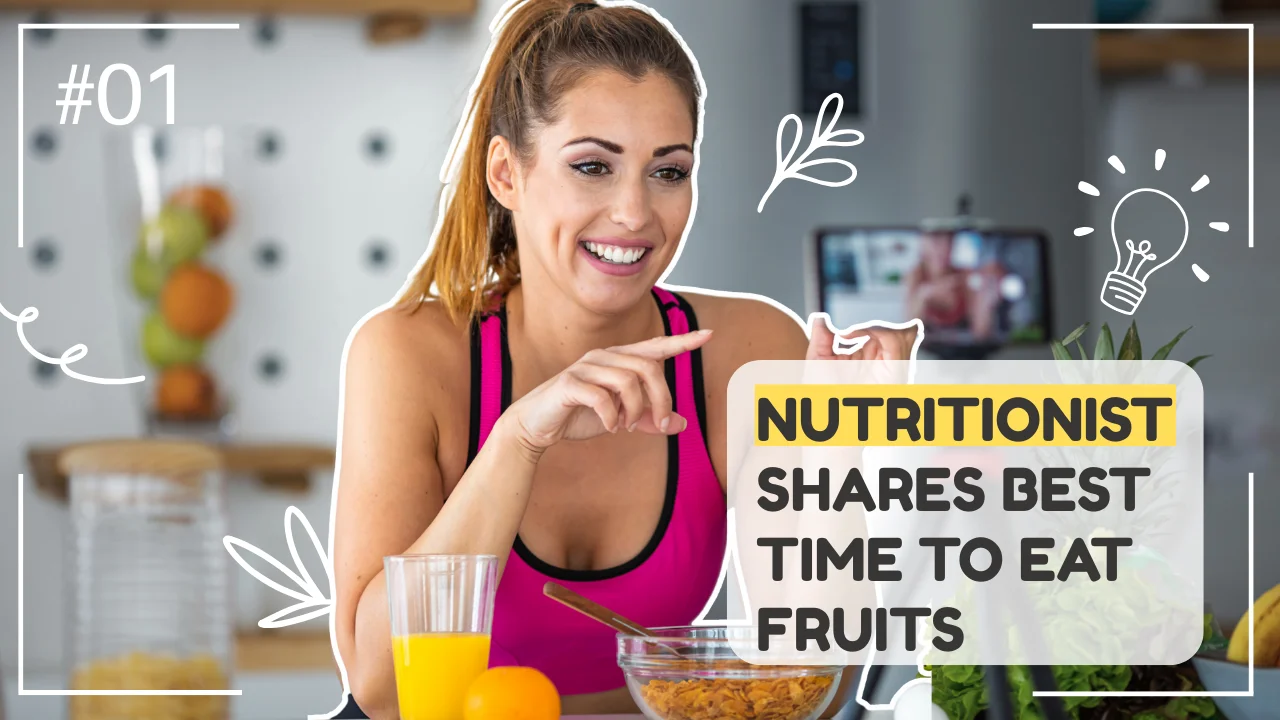
The Best Time to Eat Fruits for Maximum Benefits
Fruits are often seen as one of the healthiest foods you can add to your diet. They are rich in vitamins, minerals, antioxidants, fiber, and natural hydration. Yet, many people are unsure about when they should eat fruits. Some eat them with meals, others at night, some on an empty stomach, and others as snacks.
According to several clinical nutritionists and dietitians, including experts who advise patients at major health institutes in India, the timing of fruit intake can influence how well your body absorbs nutrients and digests them.
So, let’s break down when to eat fruits for the best digestive health, maximum nutrient absorption, stable energy, and overall wellness.
Why Fruit Timing Matters
Even though fruit is healthy, it digests differently compared to cooked foods.
Fruits contain:
- Natural sugars (fructose and glucose)
- Soluble and insoluble fiber
- Enzymes that help the body break down carbohydrates
- Water content that hydrates your cells
These qualities make fruit quick to digest — usually within 20–40 minutes depending on the type.
But when fruits are eaten:
- Right after heavy meals
- With dairy
- Late at night
Digestion slows down. The fruit can ferment in the stomach, leading to:
- Gas
- Bloating
- Acidity
- Heaviness
- Burping with a sour taste
This is why timing matters.
The Best Time to Eat Fruit: Morning
Nutritionists strongly recommend eating fruit in the morning, ideally:
- On an empty stomach
- Or before breakfast
Why morning works best:
- The stomach is clean and ready to absorb nutrients.
- Digestive enzymes are more active.
- The natural sugars give steady energy.
- Fiber supports bowel movement and gut health.
Many people who switch their morning tea or coffee to fruit notice:
- Better digestion throughout the day
- Smoother bathroom routine
- Less acidity
- Improved skin hydration
Even one serving of fruit in the morning can make a noticeable difference.
Other Good Times to Eat Fruits
If not morning, the next best times include:
1. As a Mid-Morning Snack (Between 10 AM – 12 PM)
This helps maintain stable energy and prevents overeating at lunch.
2. Pre-Workout Snack
Fruits like banana, apple, grapes, or oranges provide quick energy without heaviness.
3. Post-Workout for Natural Recovery
Pair fruits with protein (like yogurt or a small handful of nuts) to help muscle recovery.
When Not to Eat Fruits
Knowing when to avoid fruit is as important as knowing when to eat it.
| Avoid Timing | Reason |
|---|---|
| Right after meals | Slows digestion, causes bloating & gas. |
| Late at night | Can spike energy, disturb sleep, produce acid. |
| With milk (except banana) | Can cause fermentation and mucus formation. |
| With heavy protein meals | Causes digestive discomfort. |
So instead of pairing fruits with meals, have them away from meals.
Should You Eat Fruits Before or After Meals?
Before meals is better — especially for people with:
- Indigestion
- Constipation
- Sluggish metabolism
Eating fruit 20–30 minutes before a meal can:
- Increase digestive enzymes
- Make you feel satisfied
- Prevent overeating
But never eat fruit right after finishing a full plate — your body will not digest it efficiently.
Best Fruits for Morning Consumption
Choose fruits high in digestion-supporting enzymes and hydration:
| Fruit | Benefits |
|---|---|
| Papaya | Excellent for digestion, reduces bloating. |
| Watermelon | Hydrates + supports kidney function. |
| Apple | Rich in fiber, supports metabolism. |
| Banana | Provides energy + strengthens gut health. |
| Orange / Sweet Lime | Vitamin C + supports immunity. |
If you have acidity, papaya and banana in the morning work especially well.
Should You Combine Fruits or Eat Them Alone?
You can combine fruits that digest at a similar speed.
Good Combinations:
- Watermelon + Muskmelon (same category)
- Apple + Pear
- Orange + Grapes
- Papaya + Banana
Avoid mixing:
- Citrus with milk or curd
- Watermelon with any other fruit (best eaten alone)
- Fruits with cooked breakfast (like paratha, dosa, bread, eggs)
How Much Fruit Should You Eat in a Day?
Most nutritionists suggest:
1–2 servings a day
(1 serving = 1 medium fruit or 1 cup cut fruit)
More than this is okay only if:
- You are very active
- You do not have blood sugar issues
If diabetic, choose:
- Apple
- Guava
- Papaya
- Berries
Avoid high-sugar fruits like:
- Grapes
- Mango
- Sapota (chikoo)
unless eaten in small portions and not with meals.
Fruit Juices vs Whole Fruits
| Whole Fruit | Fruit Juice |
|---|---|
| Contains fiber | No fiber |
| Slow sugar release | Sugar hits bloodstream fast |
| Satisfies appetite | Makes you hungry faster |
| Supports digestion | Can cause spikes in insulin |
Whole fruit is always healthier than fruit juice.
If you drink juice:
- Make it fresh
- No sugar added
- Drink immediately — not stored
- Limit to ½ glass
Why Many People Get Acidity After Eating Fruit
This usually happens because:
- They eat fruit after meals
- They pair fruit with milk or yogurt
- They eat fruit late at night
Rearranging timing often solves the issue without medication.
Sample Fruit Timing Routine
| Time | Action |
|---|---|
| 7:00 AM | Drink 1 glass warm water |
| 7:30 AM | Eat 1 serving of fruit (apple/papaya/orange) |
| 10:30 AM | Optional second serving if hungry |
| Before workout | Banana or dates for energy |
| No fruit after lunch or evening | Allow digestion to work smoothly |
Stick to this for 7 days — you will notice the difference in:
- Digestion
- Energy levels
- Skin texture
- Bowel movement
- Appetite control
Final Takeaway
Fruit is one of the healthiest foods you can eat — but timing influences how much benefit your body receives.
The best time to eat fruits is:
- Morning, on an empty stomach or
- Mid-morning, away from heavy meals
Avoid:
- Late-night fruit
- Eating fruit immediately after meals
- Pairing fruit with milk or heavy foods
Small timing changes can lead to:
- Better digestion
- Glowing skin
- Improved bowel movements
- Balanced appetite
- Higher energy throughout the day
Eating fruits correctly is not about strict rules — it’s about understanding how your body works and supporting it naturally.
